⚡ Engineering Insight
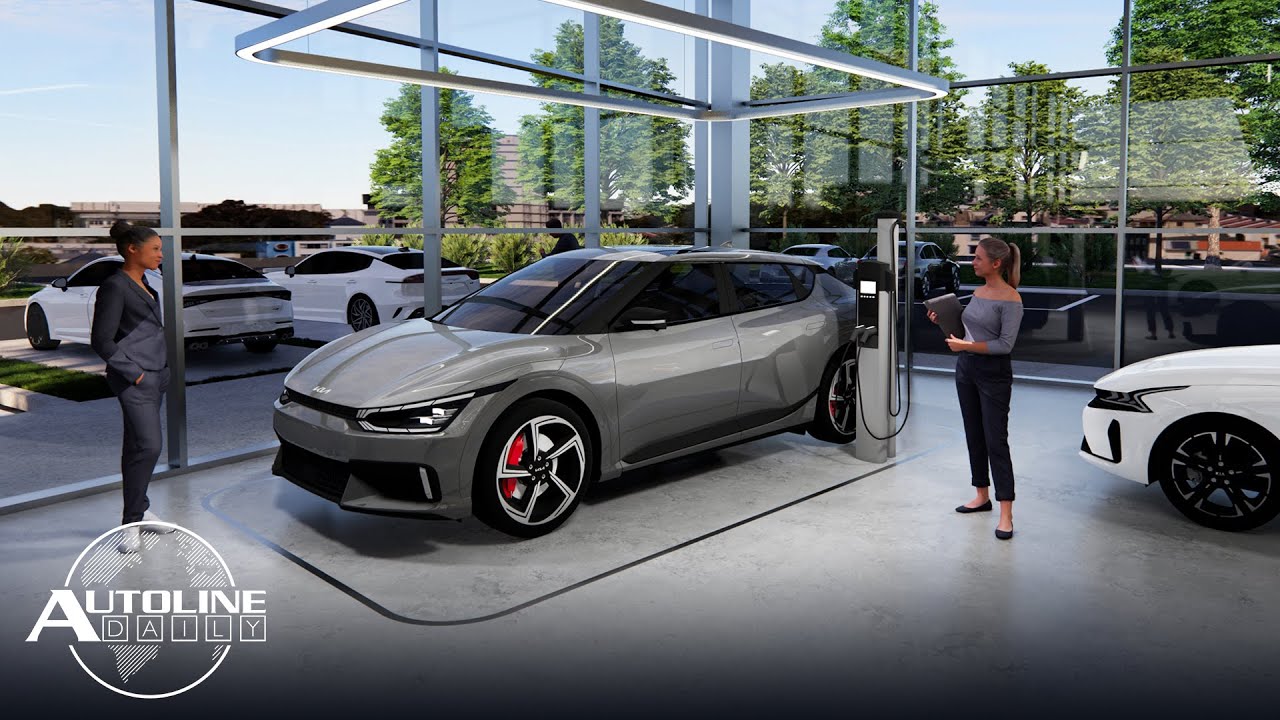
The automotive sector is experiencing a significant paradigm shift, challenging established business models and re-evaluating where true value resides. Dealerships face substantial Capital Expenditure (CapEx) for EV infrastructure, which includes dedicated High Voltage (HV) service bays equipped with specialized lifts, insulated tooling, and advanced diagnostic equipment for Battery Management Systems (BMS), power inverters, and DC-DC converters. Technician training for HV systems, thermal management, and software diagnostics represents an ongoing Operational Expenditure (OpEx). The fundamental engineering difference is the reduced maintenance complexity of Electric Vehicle (EV) powertrains compared to Internal Combustion Engine (ICE) vehicles, impacting traditional service revenue streams and elongating Return on Investment (RoI) periods for these crucial infrastructure upgrades. The shift from frequent, routine ICE maintenance (oil changes, filter replacements, spark plugs) to the less frequent, often software-driven service needs of EVs fundamentally alters the service profit margin. Concurrently, the elevated valuation of autonomous driving (AD) entities like Waymo underscores the profound engineering complexity and intellectual property (IP) embedded in Level 4 (L4) and Level 5 (L5) AD systems. Developing a robust AD stack necessitates sophisticated sensor fusion from multiple modalities—LiDAR, RADAR, high-resolution camera arrays, and ultrasonic transducers. This raw data is then processed by high-performance compute platforms, often featuring custom ASICs, Field-Programmable Gate Arrays (FPGAs), or dedicated Graphics Processing Units (GPUs) capable of hundreds of Trillions Operations Per Second (TOPS), executing complex Artificial Intelligence (AI) and Machine Learning (ML) algorithms for real-time perception, prediction, and path planning. The "WHY" behind Waymo's valuation is its demonstrated ability to integrate these complex hardware (HW) and software (SW) systems into a functionally safe (ISO 26262 compliant) and operationally robust solution, a technological chasm that traditional automakers struggle to bridge solely with their legacy engineering expertise. The engineering challenge is not merely component integration, but achieving verifiable safety and reliability across an infinite number of operational design domains (ODDs).🛠️ Key Technical Specs & Data
- EV Dealership Infrastructure:
- DC Fast Charging (DCFC) Stations: Input power typically 480V, three-phase; Output up to 350 kW @ 500-1000V DC. Requires advanced power electronics and robust thermal management systems.
- HV Safety Equipment: CAT III/IV rated Personal Protective Equipment (PPE), insulated tools rated to 1000V, HV interlocking systems, and battery pack hoist/handling equipment.
- Diagnostic Tools: CAN bus sniffers, insulation resistance testers, oscilloscopes for power electronics, specialized OEM diagnostic software for BMS and inverter fault analysis.
- Technician Training: Minimum 80 hours OEM-certified HV systems, battery chemistry, and thermal runaway mitigation training.
- Waymo Autonomous Driving System (Inferred):
- Sensor Suite: Multi-wavelength LiDAR (e.g., 905nm short-range, 1550nm long-range), 77 GHz RADAR for velocity/distance, 360° high-resolution (8-12MP) camera arrays for visual perception.
- Compute Platform: Redundant custom ASICs/GPUs/FPGAs, estimated aggregated processing power > 250 TOPS. Designed for low-latency (<50ms end-to-end perception-to-actuation).
- Power Consumption: AD compute stack can draw several kilowatts, necessitating robust vehicle power distribution units (PDUs) and liquid cooling solutions.
- Functional Safety Standard: Designed to Automotive Safety Integrity Level D (ASIL-D) for critical perception, planning, and actuation subsystems per ISO 26262.
- Localization Accuracy: Centimeter-level accuracy via High-Definition (HD) maps and Global Navigation Satellite System (GNSS) RTK/PPP.
⚖️ Critical Analysis: Pros & Cons
**EV Dealership Investment:** * **Pros:** Essential for supporting the rapidly expanding EV market, ensures customer loyalty through competent service, and maintains OEM compliance. Properly equipped facilities can capitalize on increasing demand for HV battery diagnostics and advanced power electronics repair, rather than full module replacement. * **Cons:** High initial CapEx for specialized equipment and facility modifications. Significant ongoing OpEx for specialized technician training and certification, which has a finite validity period. The reduced frequency of high-margin service events for EVs compared to ICE vehicles (e.g., no oil changes, less brake wear due to regenerative braking) extends the RoI timeline, straining dealership profitability models. Thermal management for high-power DCFC infrastructure also imposes substantial energy and maintenance burdens. **Waymo (Autonomous Driving Technology):** * **Pros:** Offers potential for dramatic reductions in operational costs (elimination of human drivers), significantly enhanced safety by mitigating human error, increased fleet utilization, and novel mobility-as-a-service (MaaS) revenue streams. The high barrier to entry for L4/L5 AD development, coupled with extensive real-world data collection and system validation, establishes a formidable competitive moat. * **Cons:** Enormous R&D investment for hardware and software development and continuous validation. Complex sensor integration and environmental robustness challenges (e.g., adverse weather conditions, sensor occlusion). High power consumption of the AD compute stack can negatively impact EV range and necessitate complex thermal management. Regulatory hurdles and liability frameworks for L4/L5 systems remain in flux. The constant need for software updates and map maintenance adds to OpEx.Conclusion
The automotive industry's valuation trends reflect a clear shift from traditional manufacturing and service profit centers towards high-value, IP-intensive software and AI-driven autonomous systems. While dealerships grapple with the financial strain of adapting to an EV-centric service model with protracted RoI, companies like Waymo demonstrate the immense market value assigned to robust, deployed AD technology. For engineers, this underscores the increasing importance of expertise in high-voltage power electronics, advanced thermal management, sensor fusion, high-performance embedded computing, and rigorous functional safety methodologies, moving beyond mechanical systems to embrace integrated hardware-software innovation as the primary driver of value.Note: This technical analysis is AI-assisted based on the original video content and general industry knowledge. Engineers are advised to verify specific specs for industrial applications.
Source Video: Dealers Not Recouping EV Investments; Waymo More Valuable Than Most Automakers - Autoline Daily 4225


